
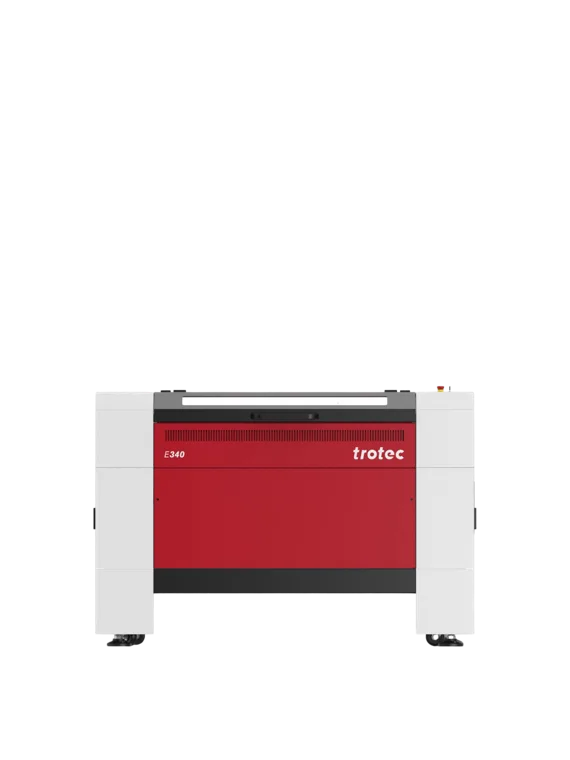
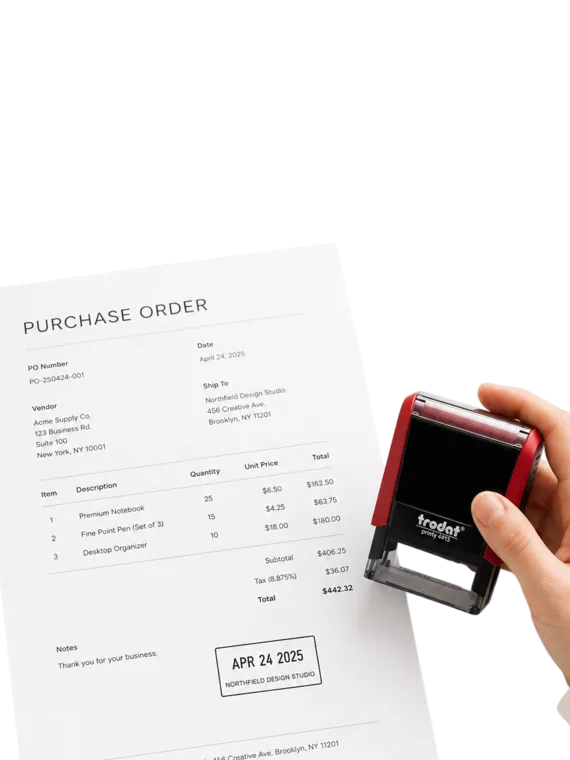




 The Magic Touch


 Swiss Performance Chemicals


Getting a lab funded.
Seven routes we have watched work, the five questions a committee always asks, and what we will do from our side to help the paper through.
If the case is made and the budget is the obstacle, this page is the practical part.
We sell equipment, so take the following for what it is — but we have watched a lot of institutions get a lab funded, and the routes that work are fairly consistent.
Routes that work
-
Specify it as a shared facility, not a department purchase.
The single most effective change. The same machine costed across six departments instead of one is a different proposal to a finance committee, and the utilisation argument makes itself. The departments that will use it are usually already there.
-
Split capital from operating.
The machine and the extraction are capital. Materials, filters and consumables are operating. Proposals fail when these are bundled into one number that looks larger than it is — and labs go quiet when the capital is approved and nobody budgeted the consumables.
-
Phase it.
One machine now, extraction now, second machine when utilisation proves the case. A smaller first purchase that gets used beats a larger one that waits another budget cycle. We will quote it as a phased plan if that is what gets it signed.
-
Industry sponsorship, named.
Local manufacturers, signage companies, contractors and fabricators have social responsibility budgets and a genuine interest in the pipeline. A named lab is a cheap and visible piece of goodwill for them. The ask is more likely to land if you can name the graduates they would be hiring.
-
Alumni and parents.
A laser lab photographs well and produces a physical object a donor can hold. Very few capital requests have that advantage — use it. Engraved recognition plaques made on the machine itself are a well-worn move for a reason.
-
Let the machine part-fund itself.
Awards, signage, graduation gifts, society merchandise, campus wayfinding. An institution that stops buying these from an outside supplier recovers a meaningful amount each year, and it turns the consumables budget into a revenue line a finance office can actually see. Do check your institution's rules on internal trading first.
-
Competition and project funding.
Money attached to a student competition, a research project or an outreach programme often buys equipment where a straight capital request will not. The framing is the whole trick.
What a committee will ask
What we will do to help
- An itemised quotation written so a finance office can read it line by line, with the extraction, training and installation visible rather than folded into a total.
- A quotation that holds long enough to get through a budget cycle — tell us your timeline and we will tell you what we can commit to.
- A phased plan if the full lab cannot be approved at once.
- Evidence for the committee. We will come to your campus and run the machines with your own students, and the resulting photographs and student work have carried more than one proposal. The first visit is free.
- A conversation about payment terms. Ask us — what is available depends on the institution and the size of the order, and we would rather tell you accurately than advertise something that turns out not to apply.
If you are at the stage of writing the paper, send us the draft. We would rather correct a specification before it goes to procurement than after.
Building the paper.
 Beyond shop class
The other departments to name in a shared-facility case.
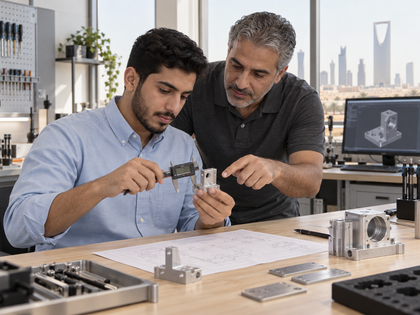 Career path
The employment argument, for the committee that wants one.
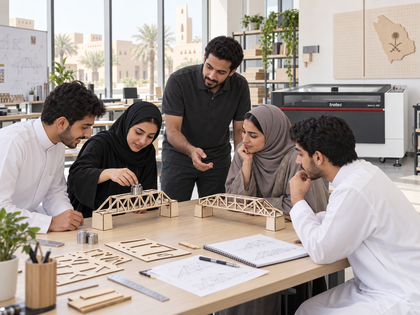 Campus tournament
Evidence for the paper: your students, your photographs. First visit free.
 Everything for education
Machines, extraction and materials in one place.