



 The Magic Touch


 Swiss Performance Chemicals


One machine, nine departments.
Who turns up after the design department, what they turn up for, and how to run a shared facility without ending up with an unmaintained machine and an argument about consumables.
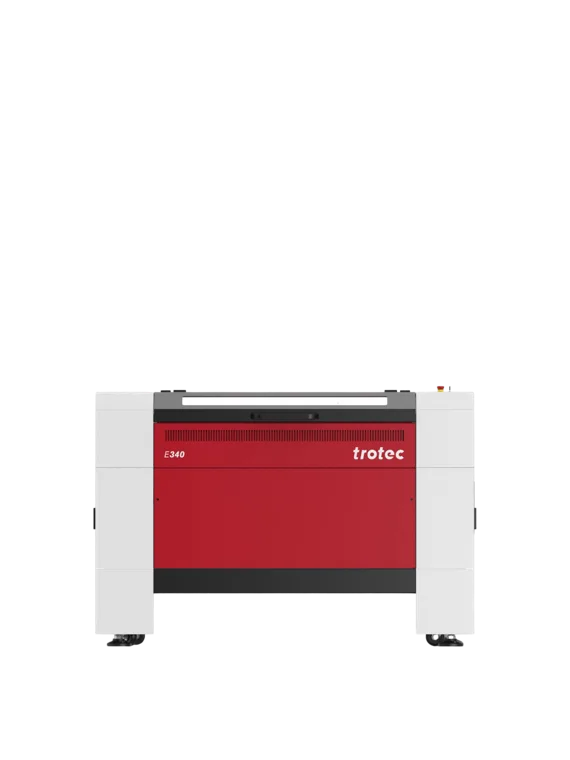
The laser is usually bought by the design department. Within a year, half the campus is queuing for it.
That is not a complaint — it is the strongest argument for the purchase. A machine that serves one department is an expense. A machine that serves seven is infrastructure. This page is a list of the departments that turn up, and what they turn up for.
Who else wants it
Running it as a shared facility
The moment a second department asks, decide how this works. Labs that never decide end up with an unmaintained machine and an argument about consumables.
-
One owner, named.
A department or a technician who is responsible for the machine. Shared ownership means nobody cleans the lens.
-
A booking sheet, however simple.
Even a shared calendar. The failure mode is a member of staff arriving with thirty students and finding a nine-hour job running.
-
Consumables charged back.
Users bring or buy their own material. This is the mechanism that keeps the machine from being treated as free and keeps the budget from being eaten by one enthusiastic department.
-
An induction before access.
Short, mandatory, repeated each year. Covers extraction, the refusal list, and what to do if there is a flame. Nobody operates it without it.
-
A maintenance slot in the timetable.
Thirty minutes a week. It is the cheapest insurance you will ever buy on a capital asset.
The case this makes for procurement
A specification written for one department gets costed against one department's budget and usually loses. The same machine, specified as a shared facility with named users across faculties, is a different proposal entirely — the cost per user drops by an order of magnitude and the utilisation argument writes itself.
If you are building that case, we will itemise a quotation so procurement can read it line by line, and we will put it in writing that the training and the extraction are part of the number rather than a surprise afterwards.
Budget the obstacle rather than the case? There are other routes.